
What is included?
-
Transportation in an executive bus, with air conditioning, toilet, and minibar for over 30 passengers. For fewer than 30 passengers, transportation may be done in a minibus, and for fewer than 13 in a van (subject to acceptance by families and the location)
Snack on board on the way
Water available during the trip on the bus
02 teachers from the school per bus
01 accredited Tour Guide from the Ministry of Tourism per transport accompanying the group throughout the trip - Mandatory by Law
Monitors during the visits
Travel Insurance
WhatsApp group with the responsible parties before and during the entire trip for sending information and LOTS OF PHOTOS AND VIDEOS
Images
Introduction
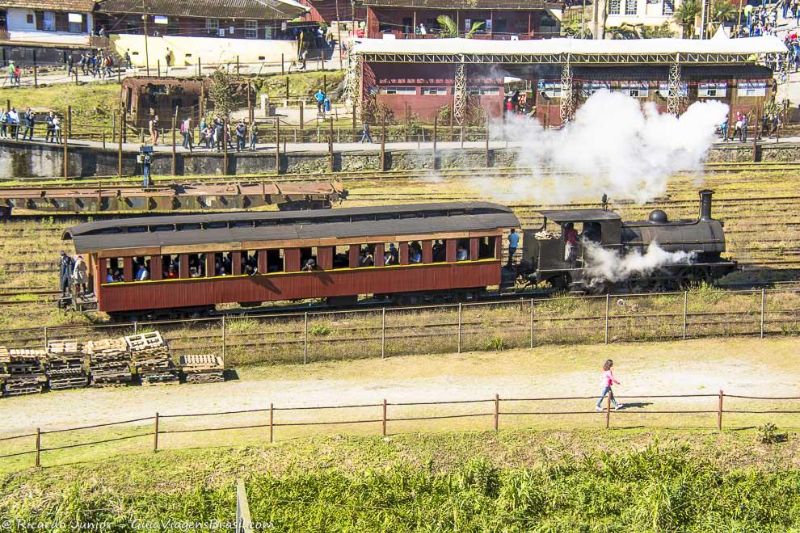
Paranapiacaba is one of those destinations close to São Paulo that every Paulistano should know. It is an old English village located in the municipality of Santo André, and visiting it is like stepping back in time to the era of coffee barons, when cities were rustic and small.
The Village of Paranapiacaba was not always a tourist destination near São Paulo. The site was created in 1867 to house dozens of English immigrants who came to the country to participate in the construction of the first railway in São Paulo. Therefore, the town has a distinctive architecture and is one of those places that seems to have stopped in time. Unfortunately, a fire in the 1980s caused significant damage to the town and the historic buildings present there. However, it is still possible to visit some tourist spots and learn a little more about the history of the village.
Located in the Serra do Mar, in Santo André (SP), within the Atlantic Forest biome. The region has a humid climate, with frequent rains and a lot of fog, caused by the meeting of the humid air from the coast with the relief of the mountains. The area presents great biodiversity, with various species of plants, such as tall trees, ferns, and bromeliads, and animals, such as birds, monkeys, and insects. Paranapiacaba is important for environmental preservation, as it helps protect springs, regulate the climate, and maintain the balance of ecosystems.


