

What is included?
Transport in an executive bus, with air conditioning, toilet, and minibar for over 30 passengers. Below 30 passengers, transport may be done in a minibus and below 13 in a van (subject to acceptance by the families and the location)
Snack on board on the way
Water available during the trip on the bus
Breakfast, lunch, and snack at the Farm
02 teachers from the school by bus
01 accredited Tour Guide from the Ministry of Tourism accompanying the group throughout the trip - Mandatory by Law
Monitors during the visits
Travel Insurance
WhatsApp group with the guardians before and during the entire trip for sending information and LOTS OF PHOTOS AND VIDEOS
Image Gallery
Introduction
SANTA MARIA DO MONJOLINHO FARM – São Carlos/SP - 230 Km
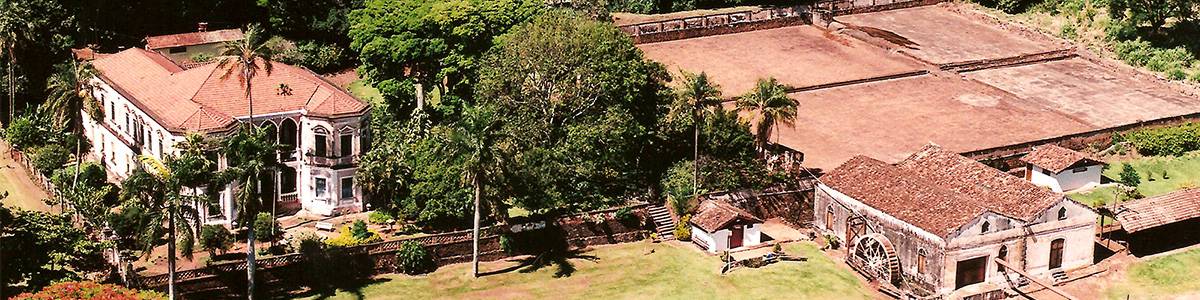
The architectural ensemble of Santa Maria Farm began in 1850, when the farm was cleared by the family of Major José Inácio de Camargo. At that time, they built the slave quarters and the house of the captain of the woods. Thus, coffee planting began and due to the high productivity and development of the region, in 1887, the main house was built to receive D. Pedro II, who was in São Carlos at the time to inaugurate the arrival of the trains.
With the aim of gaining the title of Baron of Pinhal, Major José Inácio and his brother Theodoro had the idea of building a “Great Mansion”, with the refinement of the palaces of Europe, bringing urban luxury to a rural area. The project was carried out by an Italian engineer, David Casinelli, and all the construction materials, such as cement, stained glass, and frescoes were brought from Europe.
The coffee warehouses served the neighboring farmers who used the processing machine and the farm's train station to market their productions. Energy was generated by the large water wheel. The yards, the magnificent aqueduct, the sawmill, the workshop, the stables, and the administrator's house complete the buildings preserved by the Camargo and Souza Campos families, which were listed by CONDEPHAAT as Historical, Cultural, and Educational Heritage.
History and Coffee Production in the 19th Century
• Museum with objects, books, and photos from the 19th century history
• Visit to the Coffee Yard
• Visit to the Slave Quarters and the House of the Maids and Water Trail
• Lunch at the old Train Station
• Historical trail in the preserved forest


