
What is included?
-
Transportation in an executive bus, with air conditioning, restroom, and minibar for over 30 passengers. Below 30 passengers, transportation may be done in a minibus and below 13 in a van (subject to acceptance by families and the location)
Onboard snack on the way
Water available during the trip on the bus
Breakfast, lunch, and snack at Eco Educa
Up to 05 pedagogical spaces - Earth, Forest, Waste, Energy, and Water
Entry to the Magic Gardens Water Park (optional)
02 Teachers per bus
01 Accredited Tour Guide from the Ministry of Tourism accompanying the group throughout the trip - Mandatory by Law
Monitors during all activities
Travel Insurance
WhatsApp group with guardians before and during the entire trip for sending information and LOTS OF PHOTOS AND VIDEOS
What is not included?
- Optional tours
- Extras of any kind
- All types of drinks or food not described as included in the itinerary
Images
Introduction
ECO EDUCA PROJECT - MAGIC GARDENS
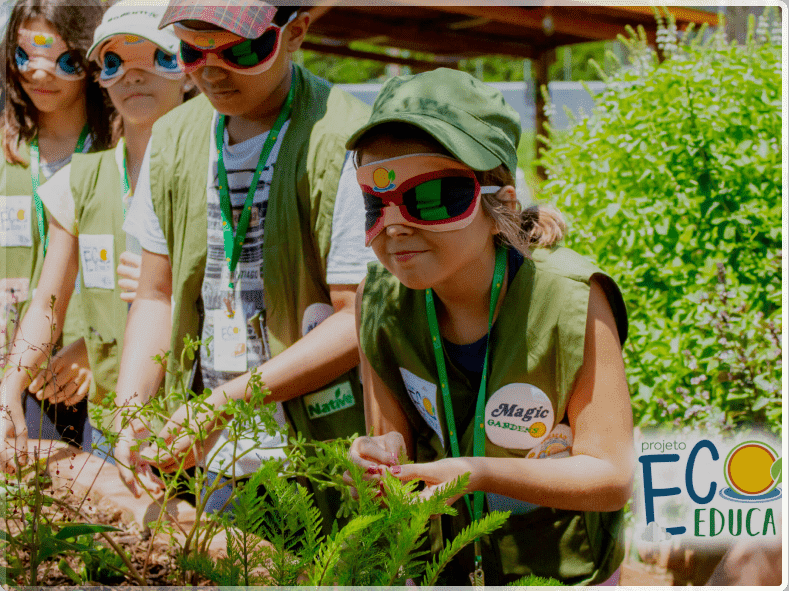
The result of a partnership between the Magic Gardens Club, Native, and Ecoar - Education and Sustainability, the Eco Educa Project aims to raise awareness and empower children and young people about the complex issues of sustainability, so they can develop creative, collaborative, and transformative solutions.
Using participatory and integrative methodologies, such as games, dynamics, dialogue circles, and theoretical-practical workshops, we guide children and young people (ages 6 to 19) through different pedagogical spaces during a day visit, with Education for Sustainability as the guiding axis. In addition to the activities, the visit day includes more natural meals, with primarily organic foods.
Our purpose is to promote experiences with the environment and provoke meaningful reflections, contributing to making participants protagonists of the sustainable development of our society.
PEDAGOGICAL SPACES AND SUSTAINABLE TECHNOLOGIES
EARTH - Agroecological garden, aromatic and medicinal gardens, and educational seedling nursery
FOREST - Contact with native flora and fauna through a sensory trail, educational meliponary, and bee-attractive plants
WASTE - Recyclable waste sorting center and organic waste composting
ENERGY - Photovoltaic energy panels, dehydrator, and solar ovens
WATER - Rainwater harvesting and integrated water management
Source: ECO EDUCA PROJECT


